01
Effective Governance
We strengthen WMAs' governance and management to unlock their full potential for wildlife and nature conservation and community benefits.
 CWMAC
Consortium of Tanzania
CWMAC
Consortium of Tanzania
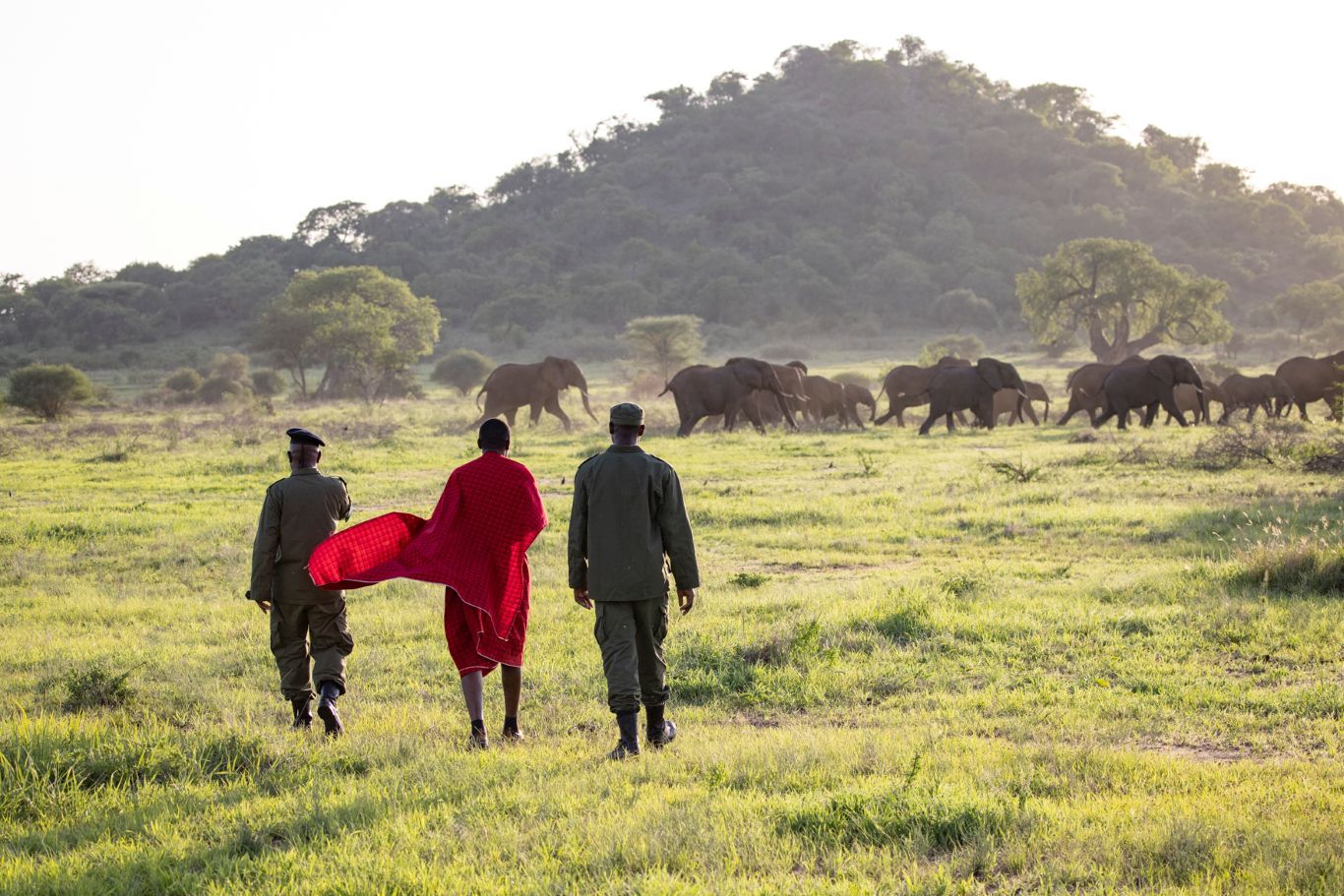
CWMAC is the umbrella organisation for all Authorised Associations that manage Wildlife Management Areas in Tanzania — the collective voice of the communities who live closest to the land, and who protect it.
Why we existWhy we exist
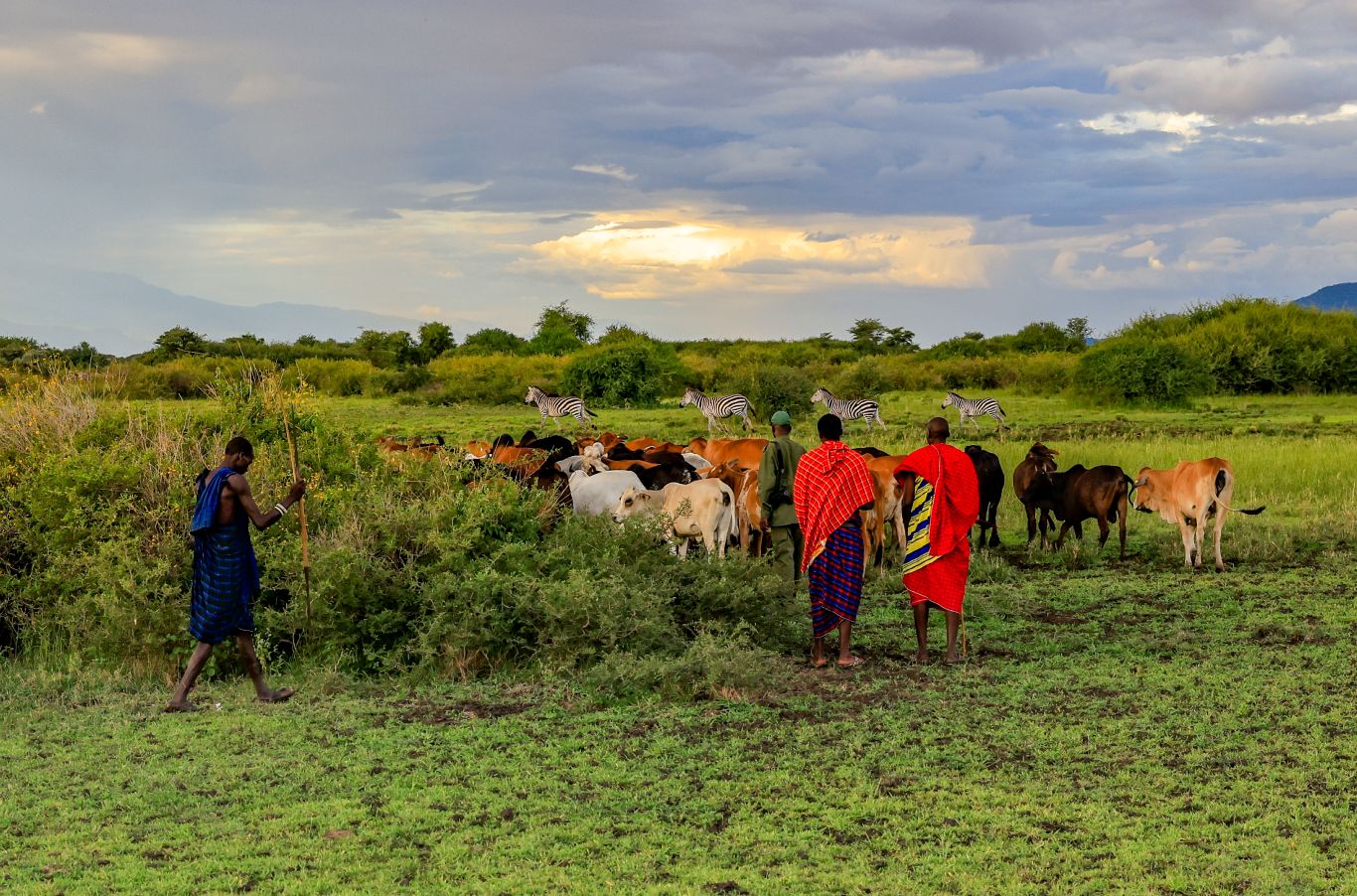
We exist to champion community-led conservation in Tanzania. Across the country, communities living near protected areas have come together to create Wildlife Management Areas — a bold approach that places local people at the centre of managing and protecting wildlife and natural resources.
We exist to support these communities. We amplify their voices, strengthen their capacity, and advocate for the policies and partnerships they need to thrive. By doing so, we help ensure that conservation is not only sustainable but also a source of opportunity, dignity and development for the people who live closest to the land.
At our core, we're here to build a future where people and wildlife coexist and flourish together.
What we do
We advise, support and facilitate capacity building for the Authorised Associations that manage Tanzania's Wildlife Management Areas.
We strengthen WMAs' governance and management to unlock their full potential for wildlife and nature conservation and community benefits.
We advocate for policies that enable WMAs to thrive, maximising their impact on conservation and delivering lasting benefits to local communities.
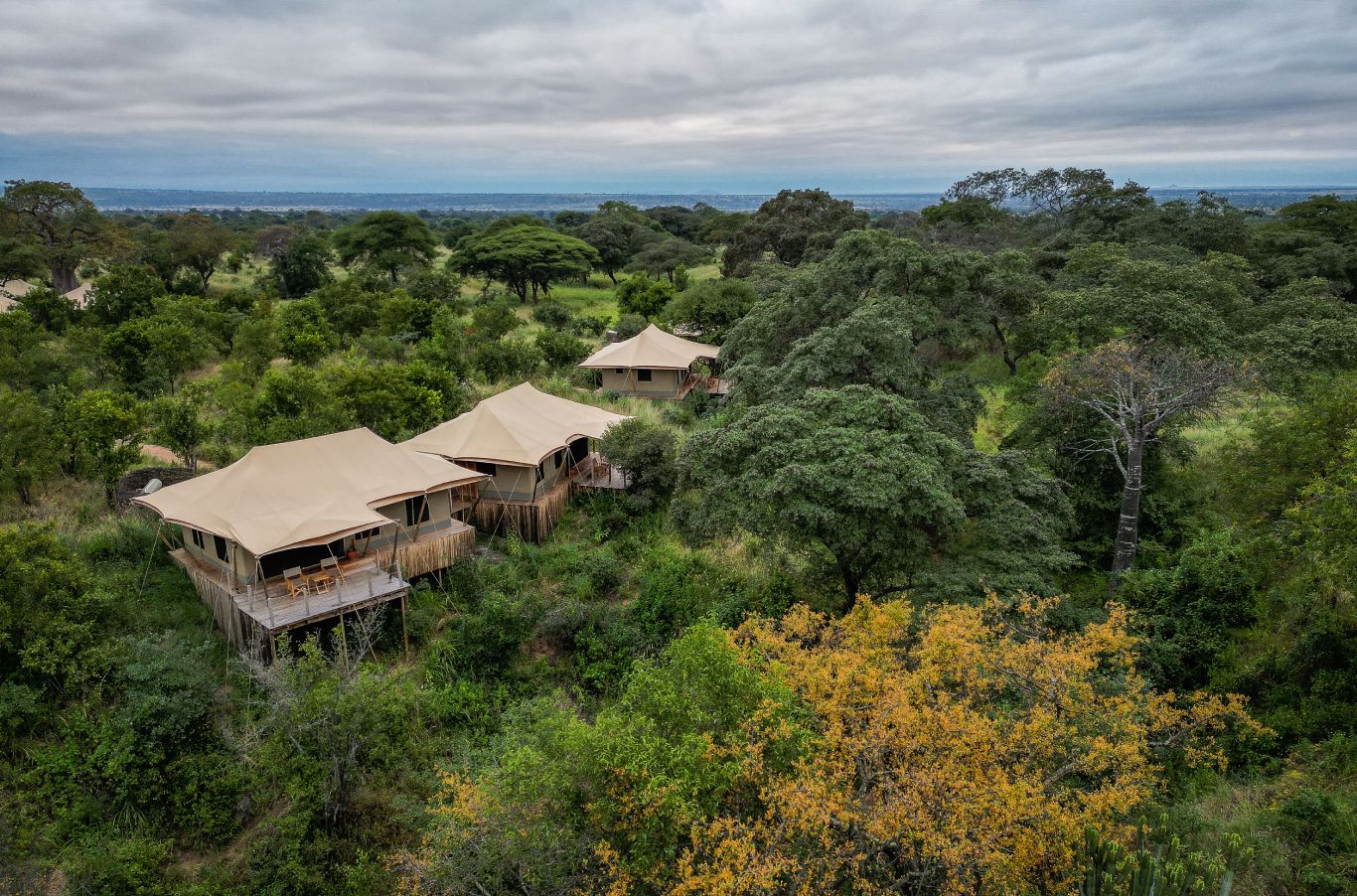
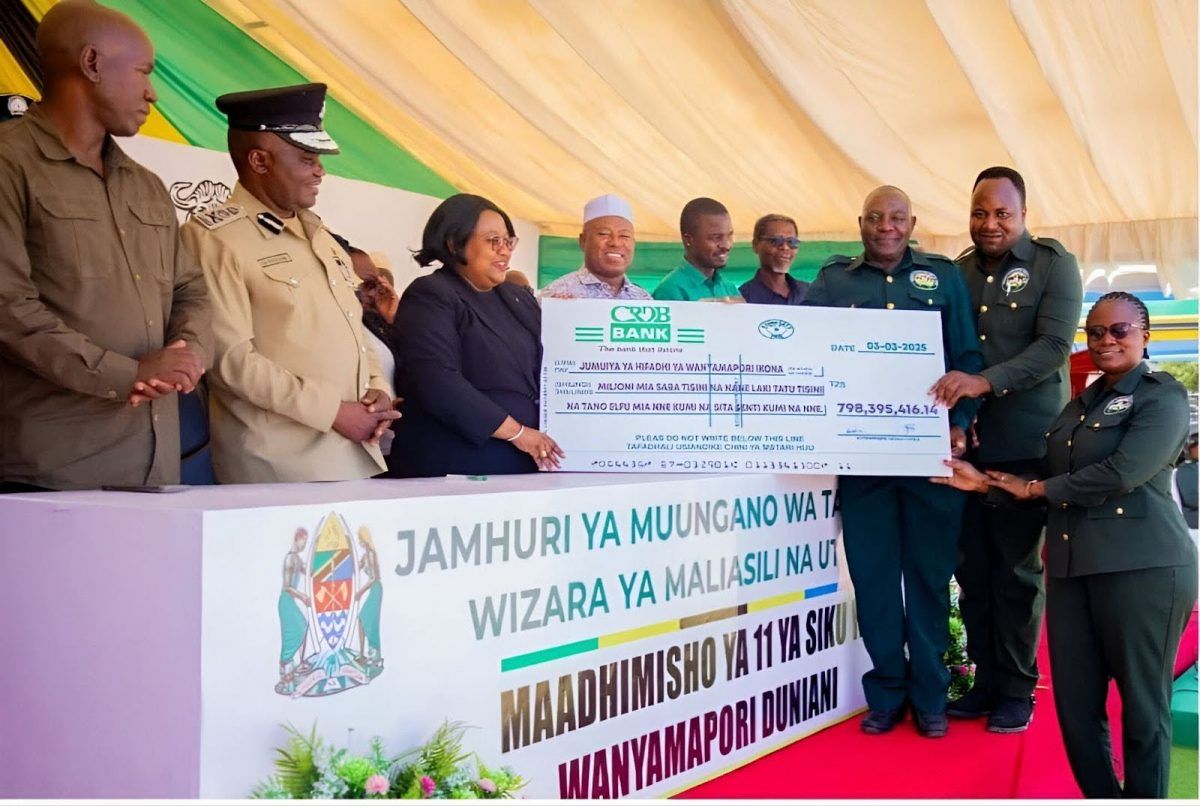
We work to improve the financial sustainability of WMAs, building an attractive investment environment within WMAs and establishing alternative revenue sources.
How we work
Community-led conservation needs to be investment friendly. That takes good policy, sound governance and management inside the conservation areas, and a clear framework of investment opportunity.
We work across five practices — each one a lever the consortium can pull on behalf of every member association.
Establishing effective policies and regulatory systems for successful community-owned and run WMAs in Tanzania.
Training, custom tools and capital investment to strengthen governance, financial development and technological capability.
Multi-stakeholder communication that builds cohesion across government, NGOs, WMAs, their communities and the public.
Tracking performance and holding WMA data centrally, so planning, decision-making and advocacy rest on evidence.
Wildlife and non-wildlife enterprise — tourism, carbon trade, beekeeping — that returns income to member communities.
Where we work
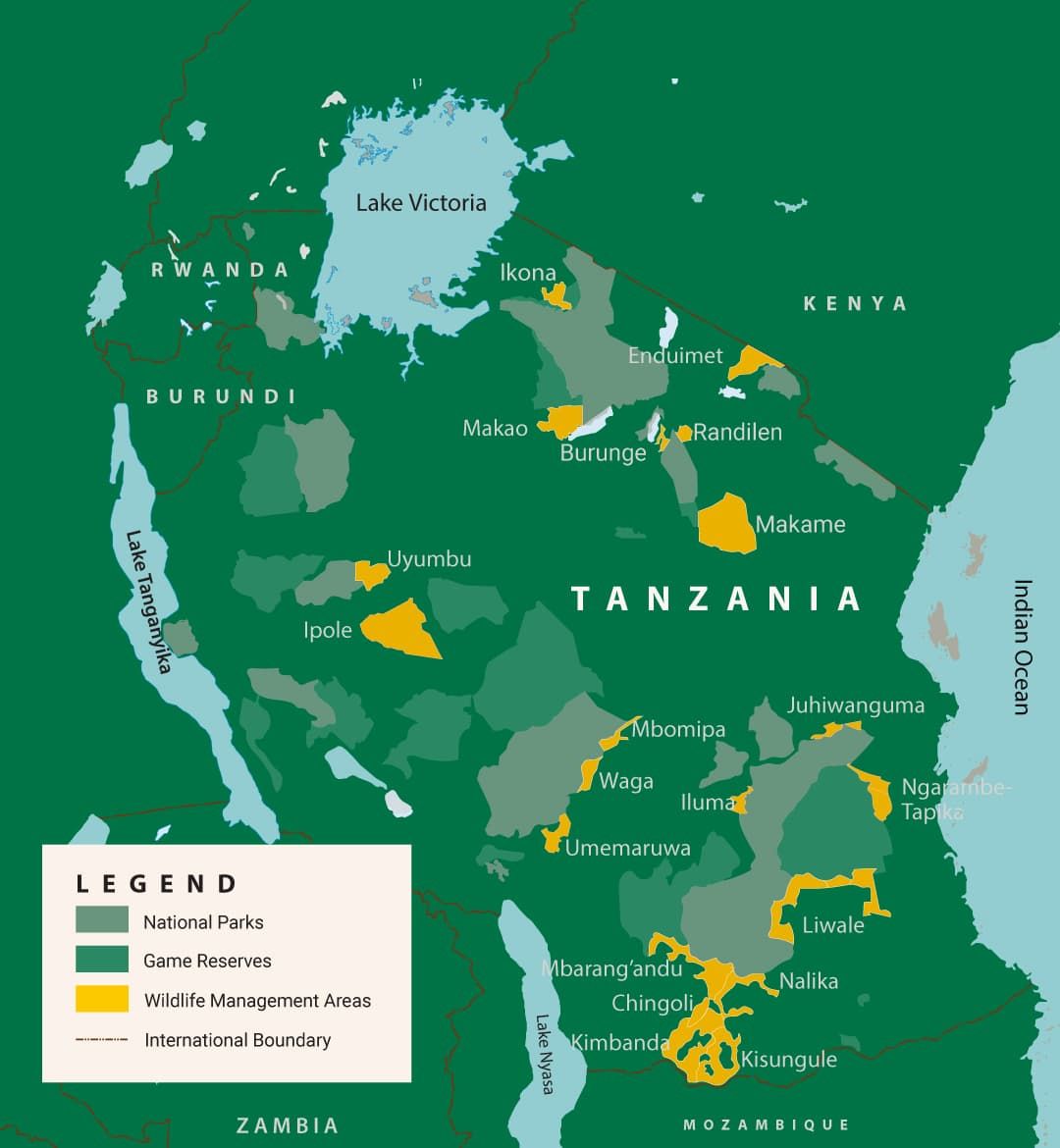
The WMA model emerged from Tanzania's reform process in the 1990s. It devolves responsibility for wildlife to the village level, so communities can manage — and fully benefit from — the wildlife on their own land. A single WMA can span several villages, each home to roughly 500 to 3,000 people.
Our members are organised into five operational zones.
Our impact
Every figure below belongs to the member associations — the villages, scouts and boards who carry this work. The consortium exists to make their numbers add up to something larger than the sum.
Members of communities benefiting from community work
Square kilometres covered across all WMAs
Raised as funds to support WMAs since 2010
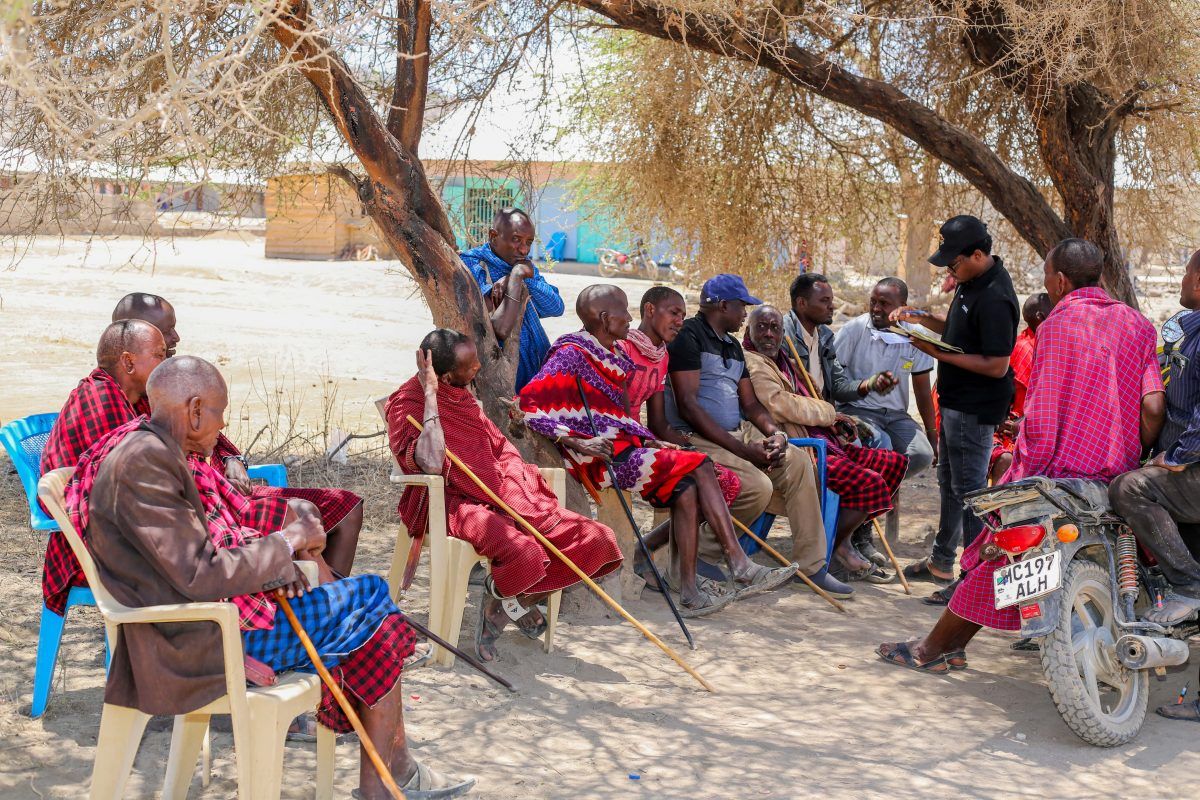
"Our unity is giving us more confidence, knowledge, new experience and more importantly the power of a unified voice. CWMAC stands for this."Said Rashid MasudiChairperson, CWMAC
Our strategy
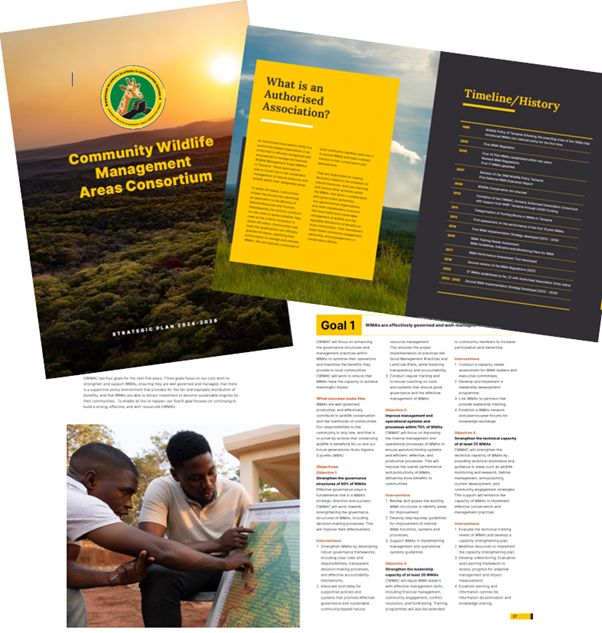
The CWMAC Strategic Plan 2024–2028 sets out how the consortium will foster the growth and sustainability of Wildlife Management Areas in Tanzania — and how members hold each other to it.
Latest news
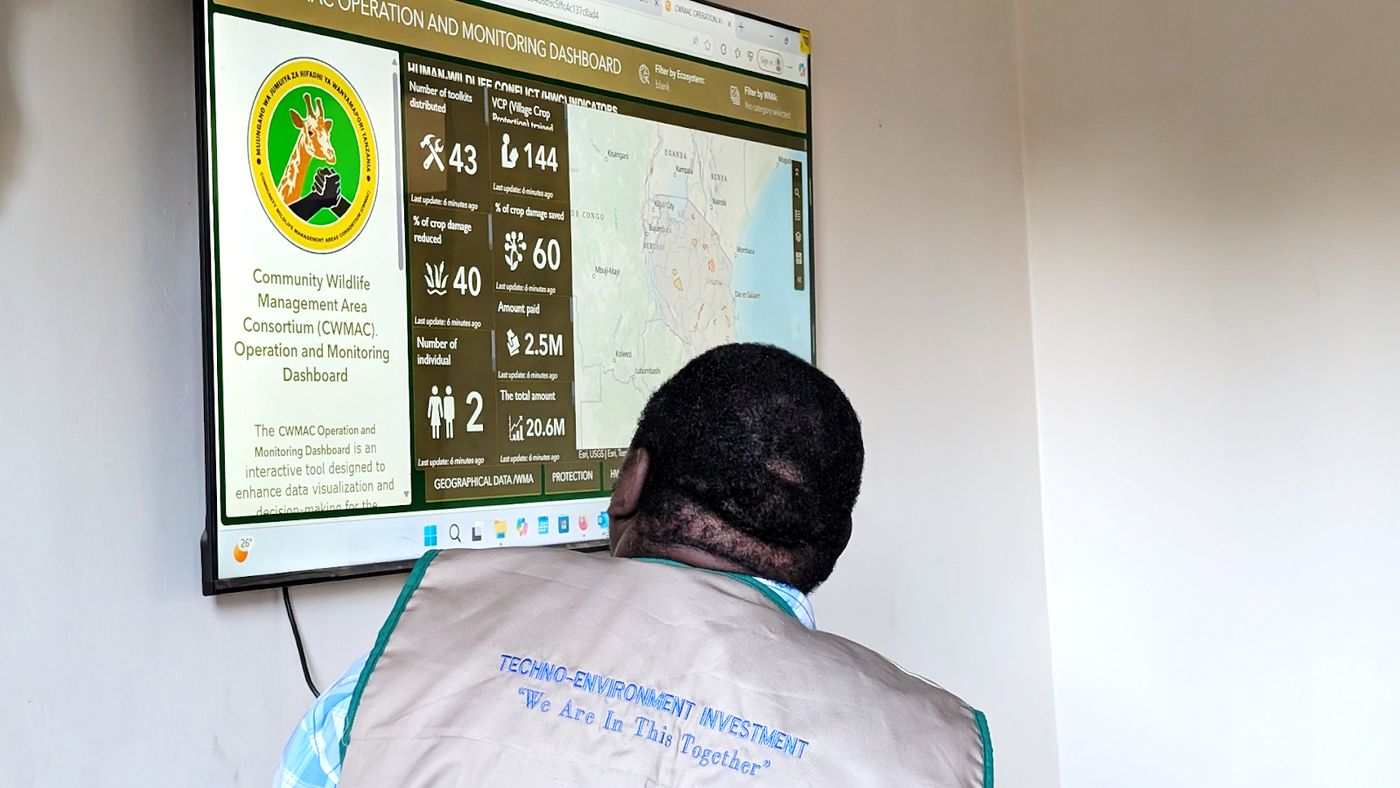
CWMAC, the Honeyguide Foundation and Techno Environment piloted an online database at WAGA WMA in Mufindi under the EU-funded KUWA Project.
Read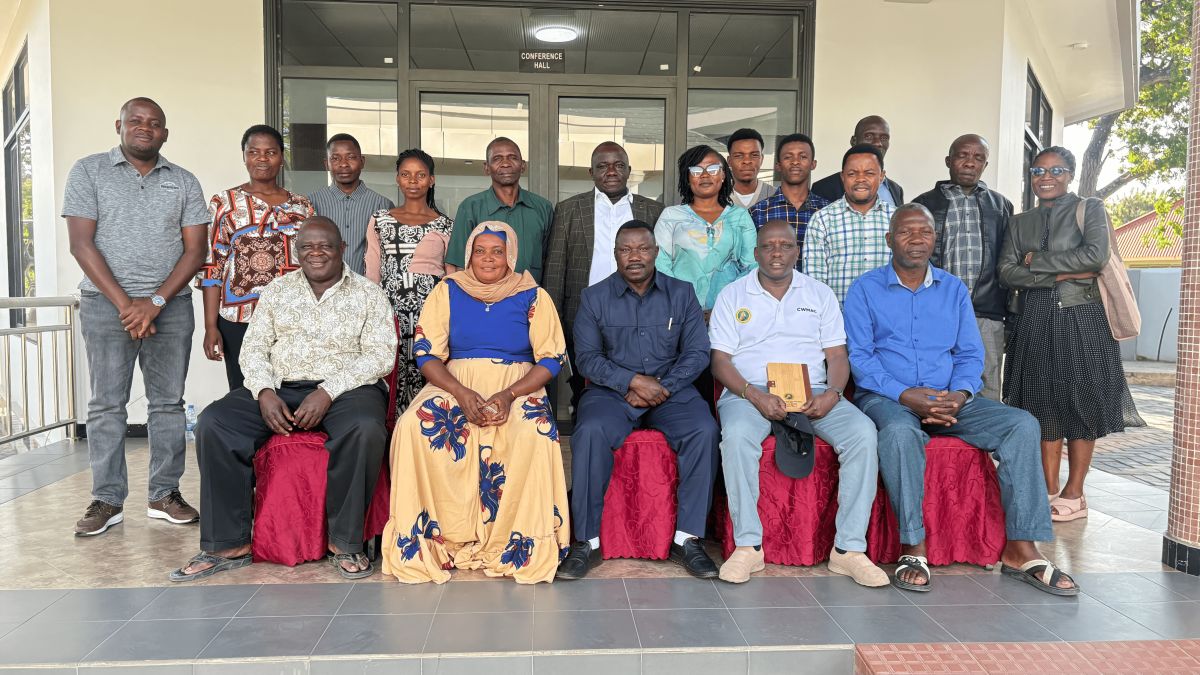
Leaders from five Western Zone WMAs met in Tabora to work through shared challenges, accountability and new opportunities.
Read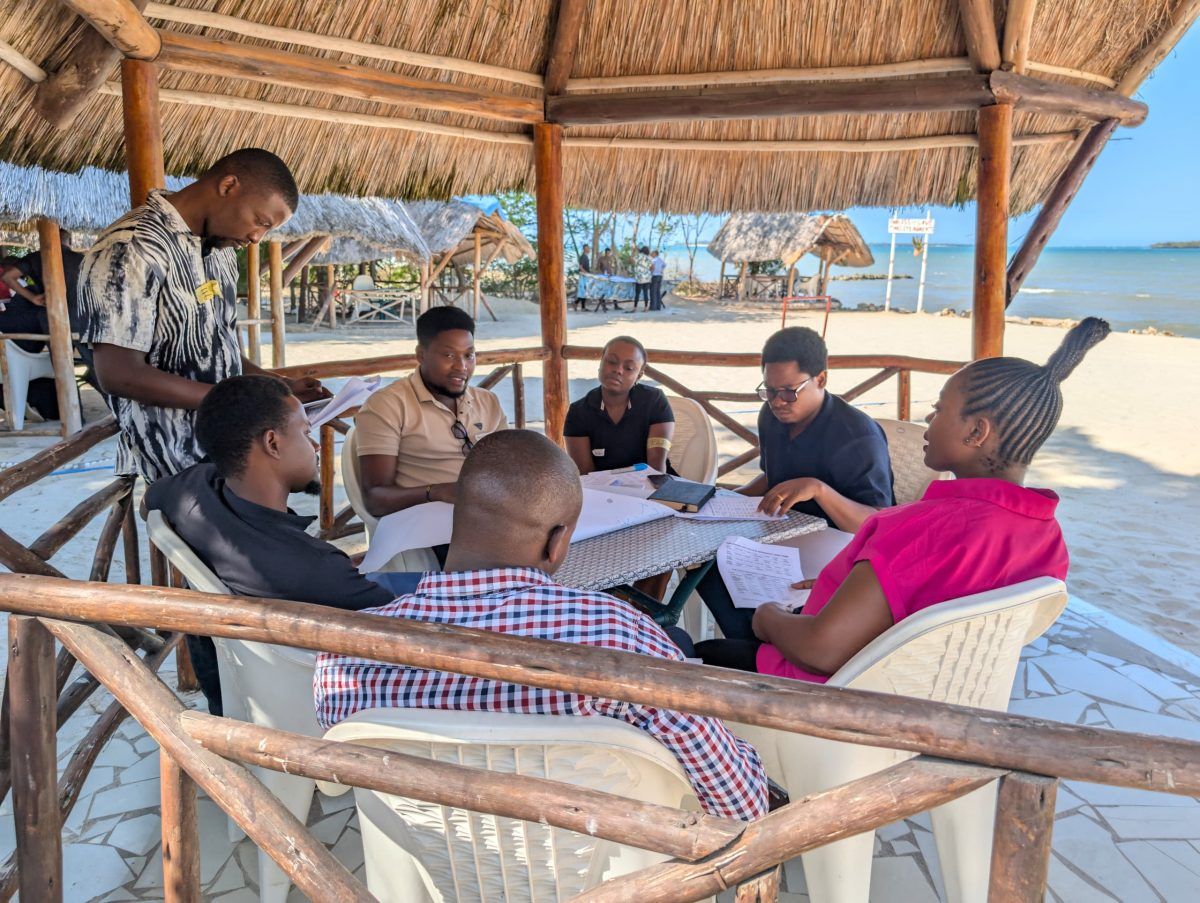
With support from Maliasili, CWMAC senior staff joined peers from across Tanzania for two intensive leadership workshops in Nairobi and Dar es Salaam.
ReadOur partners





Work with us